
The Art of Balinese Cooking: A Gastronomic Experience
Balinese gastronomy represents a unique culinary journey that is intricately tied to the island's rich cultural heritage. The cuisine of Bali is characterized by its vibrant and aromatic flavors, which are achieved through the use of a diverse array of traditional spices. Key ingredients such as turmeric, ginger, and lemongrass are fundamental to many Balinese dishes, imparting not only distinctive tastes but also vivid colors and inviting aromas.
BaliFoodTour.id
7/11/20244 min read

Introduction to Balinese Gastronomy
Balinese gastronomy represents a unique culinary journey that is intricately tied to the island's rich cultural heritage. The cuisine of Bali is characterized by its vibrant and aromatic flavors, which are achieved through the use of a diverse array of traditional spices. Key ingredients such as turmeric, ginger, and lemongrass are fundamental to many Balinese dishes, imparting not only distinctive tastes but also vivid colors and inviting aromas.
The significance of spices in Balinese cooking cannot be overstated. Turmeric, with its distinct earthy flavor and bright yellow hue, is often used in various forms, from fresh roots to ground powder. Ginger, known for its warming properties and pungent taste, is a staple in both savory and sweet dishes. Lemongrass, with its citrusy fragrance, adds a refreshing note that balances the richness of other ingredients. These spices, along with many others, are meticulously blended to create complex flavor profiles that are both bold and harmonious.
Balinese cuisine is deeply influenced by Hindu rituals and local traditions, which play a crucial role in its culinary practices. Many dishes are prepared as offerings in religious ceremonies, reflecting the islanders' devotion and the sacredness of their food. For instance, the preparation of "Lawar" – a traditional dish made from minced meat, grated coconut, and a variety of spices – is often a communal activity that brings together families and communities. These practices not only preserve the culinary heritage but also reinforce social bonds and cultural continuity.
Furthermore, local traditions dictate the use of fresh, locally sourced ingredients, ensuring that Balinese dishes are not only flavorful but also nutritious. The emphasis on fresh produce, coupled with traditional cooking methods such as grilling, steaming, and slow-cooking in banana leaves, results in dishes that are as healthful as they are delectable.
In essence, Balinese gastronomy is a reflection of the island's cultural richness and the harmonious interplay of flavors, ingredients, and cooking techniques. It invites food enthusiasts to embark on a sensory adventure, exploring the depth and diversity of Balinese cuisine, and appreciating the cultural context from which it originates.
Signature Balinese Dishes and Their Cultural Significance
One of the most iconic dishes in Balinese cuisine is Babi Guling, or suckling pig. This dish is deeply embedded in Balinese culture and is often prepared for significant ceremonies and celebrations. The preparation of Babi Guling is an art in itself; a whole pig is marinated with a complex mixture of spices, including turmeric, coriander, lemongrass, and garlic, before being slow-roasted over an open fire. The result is a succulent, flavorful meat with a crispy, golden-brown skin that is a true feast for the senses. Babi Guling is typically served with rice, sambal (chili sauce), and a variety of vegetables, making it a complete and satisfying meal.
Another must-try dish is Bebek Betutu, a slow-roasted duck that is renowned for its tender texture and rich flavors. This dish is traditionally prepared by marinating the duck in a blend of spices, such as galangal, turmeric, garlic, and shallots, and then wrapping it in banana leaves. The wrapped duck is then slow-cooked for several hours, allowing the flavors to meld together and infuse the meat. Bebek Betutu is often served during important ceremonies and communal gatherings, symbolizing unity and togetherness. The use of fresh, local ingredients and the meticulous preparation process highlight the dedication and skill involved in Balinese cooking.
Lawar is another quintessential Balinese dish that offers a unique blend of textures and flavors. This traditional dish consists of finely chopped vegetables, grated coconut, and minced meat, often mixed with rich, aromatic spices like ginger, garlic, and chili. Lawar can be made with various types of meat, including pork, chicken, or even fish, depending on the occasion and regional preferences. It is commonly served during temple ceremonies and family gatherings, reflecting its importance in Balinese culture. The dish is not only a culinary delight but also a representation of the island's agricultural abundance and the harmonious relationship between the land and its people.
The intricate preparation methods and the use of fresh, local ingredients in these signature Balinese dishes underscore the island's rich culinary heritage. Each dish tells a story, offering a glimpse into the cultural traditions and communal values that define Balinese society. Whether it's the celebratory Babi Guling, the symbolic Bebek Betutu, or the versatile Lawar, these dishes provide a gastronomic experience that is both flavorful and deeply rooted in the island's history and customs.
Experiencing Balinese Cuisine: Food Tours and Cooking Classes
Immersing oneself in the rich culinary heritage of Bali is an unparalleled adventure, and balifoodtour.id offers travelers an exclusive gateway into this vibrant world. For those eager to savor an authentic taste of Balinese life and cuisine, participating in food tours and cooking classes is a must.
Food tours available through balifoodtour.id encompass a variety of experiences tailored to different interests. Market tours are perfect for those who wish to explore bustling local markets, where an array of fresh produce, aromatic spices, and traditional ingredients await discovery. These tours provide a glimpse into the daily life of Balinese people, allowing participants to interact with local vendors and learn about the island’s agricultural bounty.
Street food tours offer another layer of authenticity, guiding travelers through the vibrant streets where they can sample delectable Balinese street food. From savory satays to the iconic babi guling (suckling pig), these tours highlight the diverse and flavorful street cuisine that Bali is renowned for. Village culinary experiences, on the other hand, take guests to rural areas where they can enjoy home-cooked meals prepared by local families, providing an intimate look into traditional Balinese cooking methods and communal dining practices.
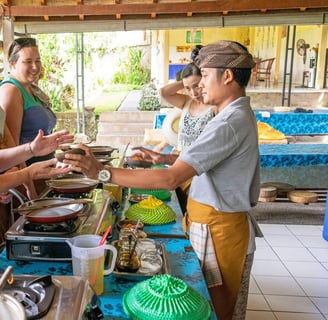
For a more hands-on approach, cooking classes are an exceptional way to delve deeper into the art of Balinese cooking. Guided by experienced local chefs, these classes offer participants the opportunity to learn traditional techniques and recipes, from grinding spices to mastering the perfect balance of flavors in dishes like nasi goreng (fried rice) and lawar (a traditional vegetable and meat salad). These sessions not only teach valuable culinary skills but also allow travelers to bring a piece of Bali back home, transforming their kitchens into a Balinese haven.
Booking with balifoodtour.id ensures a personalized and enriching experience. Their expert guides provide insightful commentary and exclusive access to hidden culinary gems, often missed by the average tourist. Whether it’s a market tour, street food exploration, or an immersive cooking class, balifoodtour.id offers a gastronomic adventure that promises to be both educational and unforgettable.
